Home Additions Boston have become one of the most practical ways to transform a living space without starting from scratch. Instead of relocating or undergoing a complete rebuild, many property owners are choosing to expand their existing layouts to accommodate changing lifestyles. Whether the goal is to create more room for daily activities, improve functionality, or increase long-term value, well-planned home additions provide a flexible solution that blends comfort with smart construction planning. When designed thoughtfully, an addition does more than increase square footage — it enhances how a property feels and functions for years to come.
One of the biggest reasons people consider home additions is the need for adaptable living spaces. As households evolve, the original layout of a property may no longer support modern routines. A growing family, remote work arrangements, or the desire for multi-purpose rooms often drive the decision to expand. Instead of forcing existing rooms to serve multiple purposes, a carefully designed addition allows each area to fulfill a specific function. This improves organization and reduces daily stress, creating a more comfortable and efficient environment without sacrificing the character of the original structure.
Planning is the foundation of any successful home addition. Unlike interior remodeling, additions must integrate seamlessly with the existing framework while maintaining structural stability. Builders evaluate load distribution, roofing alignment, and foundation support to ensure the new space connects smoothly with the original design. Proper planning also considers how natural light flows through the property, how traffic moves between rooms, and how new systems will integrate with existing electrical and ventilation setups. Taking the time to map out these details helps prevent costly adjustments later and ensures that the finished addition feels cohesive rather than disconnected.
Design consistency is another critical element that often determines whether an addition looks intentional or out of place. A high-quality home addition should complement the architectural style of the property while introducing modern improvements. Matching exterior finishes, aligning window placements, and maintaining proportional balance between old and new sections create a unified appearance. Instead of treating the addition as a separate project, successful designs view it as an extension of the entire property. This approach enhances curb appeal and helps preserve long-term value.
One popular trend in modern home additions is the creation of open-concept living areas. Expanding shared spaces such as kitchens, dining areas, or family rooms allows for greater flexibility and improved social interaction. Removing unnecessary barriers or extending existing rooms can dramatically change how a property feels, making it appear larger and more inviting. Open layouts also encourage better airflow and natural lighting, contributing to a brighter, more comfortable environment. When planned strategically, these additions provide a balance between functionality and aesthetic appeal.
Energy efficiency plays a significant role in today’s home addition projects. Many property owners view expansions as an opportunity to upgrade insulation, improve window performance, and incorporate sustainable building practices. By integrating energy-efficient materials and construction techniques, additions can reduce long-term operating costs while enhancing comfort. Features such as improved ventilation systems, reflective roofing materials, and well-sealed walls help regulate indoor temperatures, making the entire property more efficient. These upgrades demonstrate that home additions are not just about creating more space but also about improving overall performance.
There are several types of home additions that consistently deliver practical benefits while maintaining a modern feel. Some popular options include:
- Room Extensions – Expanding an existing area provides additional living space without altering the overall layout too drastically.
- Second-Story Additions – Building upward maximizes available land while creating new functional areas.
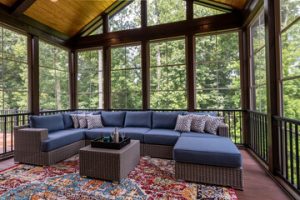
- Sunrooms or Enclosed Outdoor Spaces – Adding light-filled areas enhances relaxation while connecting indoor and outdoor environments.
- Workspace Additions – Dedicated offices or creative spaces support productivity and reduce distractions.
Another important factor to consider is how a home addition influences daily routines. Well-designed expansions improve flow between rooms, making it easier to move throughout the property. Wider openings, consistent flooring transitions, and thoughtful placement of doors and windows contribute to a seamless experience. When additions prioritize usability, they enhance comfort without requiring dramatic lifestyle changes. This is especially valuable for those who want to maintain familiarity with their existing space while enjoying the benefits of modernization.
Storage solutions often become a central focus during home addition planning. Instead of relying on freestanding furniture that can make rooms feel crowded, integrated storage systems provide a cleaner and more organized appearance. Built-in cabinets, hidden compartments, and multifunctional furniture help maximize every inch of space. By incorporating storage into the structure itself, property owners create a more streamlined environment that feels both spacious and efficient.
Home additions also provide an opportunity to introduce architectural features that may not have been included in the original design. Higher ceilings, larger openings, or creative lighting layouts can add character while improving functionality. These enhancements do not always require extravagant materials; often, simple adjustments to proportion and layout can create a more sophisticated atmosphere. When combined with neutral color palettes and durable finishes, these design elements help the addition blend seamlessly with the existing property.
Budget planning remains one of the most important steps in any addition project. While expanding a property can increase value, it is essential to balance costs with long-term benefits. Setting realistic expectations helps avoid unnecessary expenses and ensures that resources are used effectively. Some strategies that support budget-friendly planning include:
- Prioritizing Structural Improvements First – Ensuring the addition is built on a strong foundation reduces future maintenance costs.
- Choosing Durable Materials Over Trendy Finishes – Long-lasting options provide better value over time.
- Planning Multi-Purpose Spaces – Designing rooms that serve multiple functions maximizes usability without requiring additional expansions.
- Coordinating Construction Phases Carefully – Efficient scheduling minimizes delays and keeps projects within budget.
Another advantage of home additions is their potential to improve natural lighting throughout the property. Strategic placement of windows, skylights, or glass doors allows daylight to reach deeper into interior spaces. This not only enhances visual appeal but also contributes to energy efficiency by reducing reliance on artificial lighting. Bright, open environments often feel more welcoming and can have a positive impact on mood and productivity.
Outdoor integration is another growing trend in home addition design. Expansions that connect interior living areas with outdoor spaces create a sense of continuity that feels modern and inviting. Covered patios, extended decks, or enclosed garden rooms blur the boundaries between indoor and outdoor environments. These additions encourage relaxation and social interaction while increasing the functional square footage of the property. By choosing materials that complement both interior and exterior elements, builders create a seamless transition that enhances the overall experience.
It is also important to consider how home additions affect long-term property value. Expanding usable space often increases market appeal, especially when the addition aligns with practical needs such as additional bedrooms, workspaces, or entertainment areas. A well-designed expansion signals that the property has been thoughtfully maintained and updated, which can attract future buyers. Even for those who plan to stay long-term, knowing that the addition contributes to lasting value provides peace of mind.
Ultimately, successful home additions are built on a balance of creativity and practicality. They require careful planning, attention to detail, and a clear understanding of how new spaces will be used. By focusing on functionality, energy efficiency, and cohesive design, property owners can create expansions that feel natural and purposeful. Rather than overwhelming the existing structure, the best additions enhance its strengths while introducing new possibilities.
Home additions represent more than just an increase in size; they reflect a commitment to improving quality of life. With thoughtful design choices, durable construction methods, and a clear vision for the future, any property can evolve into a more comfortable and versatile space. By approaching additions with a long-term perspective, homeowners can enjoy the benefits of extra room, modern functionality, and increased property value — all while maintaining the familiar comfort of their original surroundings.
