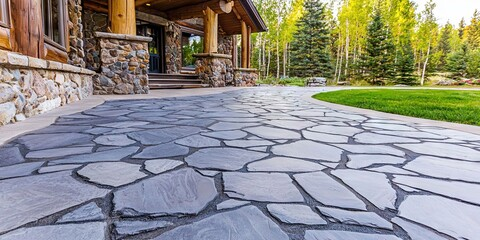
Concrete construction can be complicated, even for experienced professionals. Small mistakes can lead to visual aesthetic issues, increased maintenance requirements or early surface deterioration.
A common mistake is not properly sealing decorative concrete. Commercial and residential concrete surfaces should be sealed according to a schedule that accounts for usage patterns and exposure. Contact Concrete Contractors Denver for more information.
1. Underestimating the Thickness of the Concrete
Concrete has three dimensions, and the precise thickness depends on what the concrete will be used for. For example, concrete poured for floors or foundations needs to be thicker than that used for driveways, as the latter will be subjected to a lot more weight and pressure. It’s vital to use a concrete calculator and communicate with the supplier about what kind of application the concrete will be used for, so the correct amount can be ordered.
Rushing a concrete pour – While construction projects often have strict deadlines that must be met, rushing the concreting process can lead to mistakes. For example, if too much water is added to the mix, it can weaken the finished concrete and make it more prone to cracking and crumbling. Moreover, if the concrete is poured too quickly, it may set unevenly or have air pockets in it.
Choosing the wrong surface finish – Homeowners are often eager to elevate their property’s appearance, but selecting the incorrect decorative concrete finish can result in issues that impact functionality and durability. For instance, polished concrete looks stunning, but it’s not suitable for outdoor spaces since it can become dangerously slippery in wet conditions. Instead, a contractor can recommend honed or exposed aggregate finishes that offer excellent slip resistance.
Misunderstanding the purpose of a concrete stamping release – During the concrete stamping process, workers apply a layer of release powder to the top of the concrete before it’s pressed by the stamped mats. This ensures that the resulting concrete will have an even color distribution. However, if the release isn’t washed off properly when the concrete is still soft, it will get absorbed into the concrete and create blemishes.
This is a common mistake that can be avoided by ensuring the correct amount of water is added to the concrete mix, using the right tools for finishing, and taking care not to add too much water after the concrete has been poured. In addition, it’s important to avoid exposing the concrete to sunlight or windy weather too soon, as this can cause it to dry out too fast and lose its quality.
2. Failing to Plan for Periodic Maintenance
Decorative concrete is an exceptionally versatile and visually striking solution, but it can also be complicated. Homeowners often choose to pack too many textures, colours, patterns and borders into a single space, resulting in visual overwhelm that detracts from the overall aesthetic and impact of the surface. The truth is, a less is more approach is usually better, particularly when it comes to larger surfaces like driveways and pool surrounds that can accommodate multiple design elements anyway.
Another common mistake is selecting a finish that doesn’t match the environment in which the surface will be used. For example, polished concrete delivers a sleek and shiny appearance that’s ideal for indoor spaces, but it can be extremely slippery in outdoor areas that are exposed to sunlight or moisture. Instead, a honed or exposed aggregate finish is typically better suited for outdoor patios and pool decks.
Similarly, choosing a concrete mix that’s not suited to the desired outcome of the project can be a costly mistake. It’s important to work with ready-mix concrete suppliers to understand the chemistry behind their mix designs, so you can ensure that the aggregate is exposed at the right consistency and that the concrete has the desired finish after acid staining.
The other common issue is failing to properly neutralize the concrete after applying a sealer. This process involves scrubbing the concrete with an alkaline cleaner (not baking soda) and a water rinse. If you neglect to do this after every time you apply a sealer, you’ll end up with a cloudy, dull appearance that will eventually fail.
If you want to avoid these mistakes, always partner with a reputable, experienced decorative concrete contractor. They’ll be able to guide you through the entire process and select finishes that deliver stunning results, are durable and fit for purpose in Perth weather conditions.
3. Overdesigning
A beautiful decorative concrete surface can elevate your home’s aesthetic, but it can also be the source of frustration if critical mistakes are made. These common mistakes can undermine the value and durability of your finished surface, leaving you with an expensive headache down the road.
One of the most common mistakes homeowners make when working with decorative concrete is prioritising appearance over practicality. While it is natural to want to transform your outdoor space, you should ensure your selected finish is suitable for the purpose and environment in which it will be used. For example, polished concrete may look amazing, but it can quickly become dangerously slippery in outdoor areas where water is regularly present – such as around pools or on sloped driveways. In these instances, honed or exposed aggregate finishes would be far more suitable.
Another mistake homeowners often make is adding too many textures, colours or patterns to their concrete. While it is fine to incorporate a few elements into your design, incorporating too many will lead to visual overwhelm and detract from the overall impact of your finished surface.
Finally, a common mistake is underestimating how daily use and exposure to the elements will affect your decorative concrete over time. This can lead to premature wear or even failure of the surface if not addressed. It is important to plan for periodic maintenance and budget for this in your initial estimate.
Applies mainly to stamped concrete, but can sometimes occur with plain concrete as well. This is a condition where small “tears” are visible on the surface of the concrete, typically near the edges of the stamped pattern or “stones”. These “tears” appear similar to cracks, but are actually caused by the stamping mats not depressing the concrete sufficiently into the soft surface of the concrete. It is usually a result of the release powder not being properly applied during the stamping operation.
To avoid this issue, you need to ensure your concrete mix is formulated with the proper ratio of aggregate to cement. It is also important to ensure that the concrete is poured correctly, which includes ensuring it is spread evenly and using control joints to allow for natural expansion and contraction. It is also essential to use a high quality release agent and to apply it in accordance with the manufacturer’s instructions.
4. Working with the Wrong Contractor
If you’re like many homeowners, decorative concrete is high on your list of home improvement projects. This is because it offers endless possibilities for creating gorgeous and functional surfaces. Unfortunately, these projects can quickly go wrong if the wrong contractor is selected. If you’re in the market for a new patio, pool deck or driveway, make sure to choose a reputable contractor who can deliver the project as promised.
While you’re reviewing your options, pay close attention to the details of each contractor’s portfolio and past work. If you notice sloppy craftsmanship, unapproved changes, or shortcuts that compromise safety or aesthetics, it’s time to start looking for a different contractor.
Another red flag to watch out for is dishonesty. Contractors who dodge clear-cut questions or give vague answers are likely hiding something, such as a lack of experience or a shady license.
Inexperienced contractors can make a variety of mistakes, including not following the proper concrete preparation steps. These errors may not seem serious at first, but they can lead to long-term problems and expensive repairs. To avoid working with an inexperienced contractor, find a company that has plenty of experience and only hires trained and licensed employees.
When working with a contractor, always review their licensing and insurance policies before the job begins. This ensures they meet minimum legal standards and protects you from financial liability should anything go wrong during the project.
The type of concrete mix you use impacts how the exposed aggregate will look when finished. To avoid this mistake, speak with your ready-mix supplier and explain the type of exposure you want to achieve. They should have a number of different mix designs that will help you get the perfect results.
Sealers are a common area where mistakes occur, especially in decorative applications. To avoid this mistake, always choose a quality product designed for use with decorative concrete. In addition, apply the sealer according to the instructions provided by your contractor.
While decorative concrete is an affordable and attractive option for revamping outdoor spaces, it’s essential to understand the potential pitfalls before starting your project. By avoiding these critical mistakes, you can ensure that your decorative concrete project goes as planned and looks stunning for years to come.
