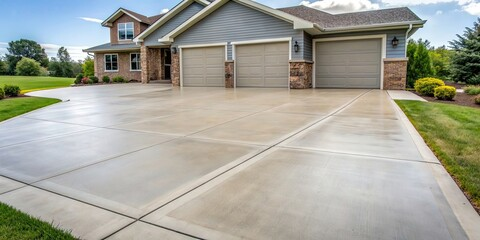
Concrete is a durable material but requires routine maintenance to optimize longevity. Untreated concrete surfaces develop damage like cracking, staining and erosion that compromise durability and create safety hazards over time.
Maintaining proper water drainage is essential. Check gutters and downspouts regularly and ensure they are directing water away from concrete slabs. Visit https://www.gkconstructionsolutions.com/ for more details.
Clean Your Concrete Regularly
Concrete is a versatile construction material but, like any surface, it requires some care to maintain its durability and appearance. Regular cleaning of concrete surfaces helps prevent dirt, grime and stains that degrade the concrete over time. Dirt and grime buildup can also make the surface slippery, creating a safety hazard for pedestrians and vehicles. There are a number of different ways to clean concrete, including power washing, scrubbing, chemical cleaners and dry ice blasting. When choosing a cleaning method, it’s important to select one that is safe for the type of stain you are attempting to remove. For example, a chemical cleaner that is effective at lifting oil stains may not be suitable for removing mildew or algae stains.
Power washing is a fast and effective way to remove dirt and debris from concrete surfaces. However, it can damage concrete if the pressure is too high or if the water is not hot enough. It’s important to use a pressure washer with a moderate PSI and a wide fan tip to avoid damage. When using a pressure washer, it’s also essential to protect windows, plants and other objects from damage by keeping the nozzle at a safe distance.
Scrubbing is another effective way to remove concrete stains and is suitable for small surfaces, such as patios and walkways. It’s important to scrub with a stiff-bristled brush and use a suitable cleaning solution to ensure the best results. Chemical cleaners are available in a variety of formulations and can be used to effectively remove a range of stains, but it’s important to choose a formula that is safe for the concrete type. It’s also a good idea to wear protective clothing and eyewear when using any chemical cleaners.
Regular removal of leaves from your concrete surfaces will help prevent moisture-related issues, such as stains and surface deterioration. It’s also a good idea for homeowners to avoid the use of salt on their concrete in the winter. Instead, sand or other alternatives can be used to improve traction on icy concrete without damaging the surface.
Seal Your Concrete Regularly
Concrete surfaces need protection from harsh chemicals, abrasive debris, soil, ice and rain. A properly applied protective coating, like a commercial-grade sealer from Ozinga, can help extend the life of your concrete. It can also protect against stains and discoloration, particularly from chemical spills and the buildup of salt and other deicing products used during winter to prevent slipping and skidding.
You should consider resealing your concrete if it loses its ability to repel water, especially after the surface becomes darker in color. This indicates that it is time to apply a new layer of sealer.
The best time to reseal is in mild weather when the concrete can dry quickly, usually late spring through early fall. It is also important to clean your concrete before you apply a new coat of sealer. Concrete that is not clean can cause the sealer to fail faster. You can use a broom or vacuum to remove loose dirt and debris from the surface, or a pressure washer to wash away grime, mold and algae.
If your concrete is heavily soiled, you may want to consider using a biodegradable cleaner such as NeutraClean. This will break down oil, grease and other contaminants that have built up on the concrete surface. After cleaning the concrete, allow it to completely dry.
There are many types of concrete sealers, from acrylic to penetrating, and each type offers different benefits for your concrete. The right choice depends on the amount and type of traffic that your concrete experiences as well as other environmental hazards such as sand, salt and fertilizers.
The most durable and longest-lasting concrete sealer is a densifier such as Polyurethane, Epoxy or Densicrete. When sprayed on concrete, these products are absorbed into the pores and capillaries of the concrete to create a thicker layer that resists stains and the harmful effects of chemical de-icers and other environmental hazards.
A professional contractor can ensure that you choose the right type and thickness of concrete sealer, as well as provide expert application to get a consistent, even coat that protects for years. They can also recommend the correct surface finish to match your aesthetic preferences and the needs of your concrete surface.
Remove Snow from Your Concrete
The winter season poses many challenges to the durability and appearance of concrete surfaces, such as driveways, sidewalks and patios. If not properly removed or treated, ice and snow can quickly transform concrete into an unsightly, slippery safety hazard. However, using the right removal methods and products helps protect your concrete from harsh chemicals, freeze-thaw damage and long-term surface degradation.
Promptly removing snow from concrete reduces moisture absorption and prevents the damaging effects of freeze-thaw cycles. It also reduces the risk of deterioration from deicing salts, which can be extremely corrosive to concrete, particularly newer surfaces less than a year old. Salt draws moisture into the concrete pores, which expands during freeze-thaw cycles, causing pitting and surface spalling. If possible, use alternative deicing methods like sand to provide traction, and choose deicers that don’t contain magnesium chloride, calcium chloride or ammonium sulfate or nitrate.
If your concrete does become damaged from the cold, you can protect it with a penetrating sealer designed to limit the intrusion of moisture and chlorides into the concrete. These sealers are typically applied shortly after your concrete is installed and reapplied every five to seven years, or as recommended by the manufacturer.
Proper water drainage is another important element of proper concrete maintenance. Make sure your gutters are clean and downspouts are redirected to avoid standing water that can eventually lead to erosion and settlement of the supporting concrete slab.
Moisture-trapping items such as flower pots, doormats and furniture should be moved or lifted periodically to prevent prolonged dampness that can contribute to moss growth and rotting. Keeping these items off your concrete will help prevent them from becoming permanent fixtures and will minimize the need for frequent cleaning and maintenance.
If you own a commercial or industrial property, you may need to invest in a concrete repair or resurfacing company to correct serious damage caused by corrosive salts or other chemical contaminants. However, with consistent, proactive care and routine inspections, your concrete surfaces can look beautiful and function well for decades to come.
Inspect Your Concrete Regularly
Concrete is a complicated material that requires a basic understanding of its chemical makeup, installation methods, weathering, and other factors to accurately assess the health and longevity of structures and surfaces made from it. For these reasons, inspections are a critical part of the construction process to ensure proper quality control and prevent problems down the road.
Most concrete inspections are conducted by a third-party contractor that specializes in the field. These professionals are typically onsite for the duration of the concrete slab pour to collect samples, verify design specs, and troubleshoot issues. They may also be responsible for overseeing logistics and monitoring formwork.
A pre-pour concrete slab inspection occurs before the concrete is poured and is designed to ensure that all necessary materials are available and in place. This inspection allows inspectors to identify potential issues and resolve them before the concrete is poured, preventing costly repairs later on.
Post-slab inspections are used to identify and correct structural problems that could arise due to the improper placement or curing of concrete. This includes checking the integrity of concrete slabs for cracks, settlement, and other common problems.
These inspections are conducted on a daily basis and should be documented with detailed photographs to maintain accurate records of progress. Photographs should include all visible defects, including shrinkage cracking and the spacing of control joints (ideally, these should be one-quarter the slab thickness).
When possible, inspectors should also take a close look at the surrounding area to ensure that the soil is sufficient for concrete support. Insufficient soil can lead to heave and settlement, so adding soil as needed can help reduce these risks.
In addition, inspectors should check the drainage system to ensure that water is being directed away from concrete surfaces. Standing water can cause damage as it seeps into cracks, freezes and expands, and erodes the supporting material beneath concrete. This damage can be minimized by regularly cleaning gutters and ensuring downspouts are directing water at least 3-4 feet from concrete surfaces.
Finally, periodic void-filling is important to protect concrete from long-term damage and to extend its lifespan. Void-filling involves injecting a stabilizing material into empty spaces that develop underneath concrete slabs when the support material deteriorates or settles. This is important because ignoring these gaps can cause serious structural issues, like heave and settlement, for the concrete and other surrounding structures.
